SIR Annual Scientific Meeting
Women in IR
SIR Today
Meet your incoming SIR president
An interview with Saher S. Sabri, MD, FSIR


Saher S. Sabri, MD, FSIR, will officially become SIR president for the 2026–2027 term during Members’ Business Meeting on Tuesday, April 14. Dr. Sabri is the Chief of Interventional Radiology at MedStar Health and Division Chief of Interventional Radiology at MedStar Georgetown University Hospital.
Can you tell us about yourself and your career?
Saher S. Sabri, MD, FSIR: I was born and raised in Jordan. I attended the University of Jordan Faculty of Medicine before completing a residency in diagnostic radiology at the University of Iowa. While there, I met some of my early mentors, like Jafar Golzarian, MD, FSIR, who helped introduce me to interventional radiology. From there, I went to the University of Virginia for my IR fellowship, and worked with several other mentors such as Michael Dake, MD, FSIR, Alan H. Matsumoto, MD, FSIR, John Fritz Angle, MD, FSIR, and Bulent Arslan, MD, FSIR. UVA is where I truly started my academic career, and I worked there for 9 years before moving to MedStar Georgetown University Hospital.
What is it that you love most about IR?
Dr. Sabri: I told one of my students earlier that one of the best things in life is if your job is your hobby as well, and that’s true for me. I truly enjoy every aspect of what we do, from patient care to problem solving. Working with patients and seeing the direct impact of our therapies is always impressive, and I love getting messages from patients and seeing how much they value what we’ve offered them, or how fast their recovery was. That’s incredibly special.
What clinical areas are you passionate about?
Dr. Sabri: My focus has been on peripheral vascular disease, limb salvage, and venous recanalization. I continue to be involved in aortic aneurysm repair and endoleak embolization. My other areas of interest are portal hypertension, hepatobiliary and transplant interventions. Those are the areas I tend to work on the most, and focus my research on.
How did you become involved in SIR, and what inspired you to become part of the leadership structure?
Dr. Sabri: My main involvement in SIR and my path to leadership came through education. I was a program director of the residency program at UVA, and at that time I worked with the Association of Program Directors in IR (APDIR) and served on several committees.
One of my most impactful projects, which I’m extremely proud of, was the implementation of the new IR residency. I was chair of the implementation committee, and then I was on the review committee for the interventional radiology applications with ACGME. Implementing the new IR residency was critical to the success and future of our specialty.
From there, I became APDIR president and subsequently the graduate medical education counselor, which allowed me to sit on the Executive Committee. Based on that experience, I was then elected to the board as secretary, which set in motion the path to becoming president. While I have held many roles, my passion and heart have always been in education.
What excites you the most about stepping into the role of president?
Dr. Sabri: In the current healthcare landscape, IR is well positioned to show its value to all stakeholders. With all the changes in reimbursement, new technologies and AI explosion, I believe we have an opportunity to shape the future of our specialty and find a place as health care leaders.
During my time as president, we will continue to work on several of our key ongoing projects, such as VIRTEX, our national database registry. VIRTEX will be crucial for documenting our outcomes and showing our value and will increase our presence and partnerships across the health care system.
Another key goal is to continue working on how to show our value to stakeholders such as healthcare administrators, payers, the government and patients. VIRTEX is part of this project, but we will keep exploring ways to show our value, as well as the economic viability of a strong, robust IR practice. In addition, we need to support the growth of outpatient and ambulatory IR and empower our members who seek an independent IR practice to have a successful path in this economic environment.
As I said earlier, education is very important to me, so I would also like to continue overseeing the growth of our residency programs and ensure that we continue to grow significantly. This means advocating for more integrated IR residency spots and maintaining our position as one of the most sought-after training pathways. Training the new generation is so important, and we, as a specialty, want to ensure that our trainees are well-versed not just in procedures, clinical care and imaging, but also the economic value of their work.
As you step into this new leadership role, is there a specific message that you would like to send to current and future members of SIR as well as the broader healthcare community?
Dr. Sabri: SIR is the home of all IRs, regardless of their practice settings. We are the main society that is focused on the practice of IR. I ask everybody to stay engaged and look for all offerings that come from SIR, whether it's educational content, announcements, surveys or attending any of our in-person or virtual meetings. It's important for us to stay engaged and informed, because staying connected as a community is going to make us stronger.
We in SIR are aware of the challenges currently facing IR, especially the economic challenges. But we are committed to showing all stakeholders the value this specialty brings. This is only possible if all members are engaged and involved in SIR and its programs, so that we can come together and deliver the message of our value with one voice.
What's a fun fact about you that members may not know?
Dr. Sabri: I love sports. I’ve played a lot of sports but have injured pretty much every joint that can be injured, so now I just enjoy attending sporting events. More seriously, I like to volunteer and do missions in underserved areas. I have an annual trip where I volunteer, and probably my proudest experience was going back to Jordan and Palestine in the West Bank. I truly value helping grow healthcare access in underserved areas.
Related
-
SIR Today
![]()
Coming full circle
![]()
Twenty years ago, Tara Graham, MD, attended her first Women in IR luncheon. She was a young medical student attending SIR 2006 in Toronto and just beginning to connect with the global community of interventional radiologists. At SIR 2026 in Toronto, Dr. Graham attended the Women in IR InspIRed Lecture and Luncheon
-
SIR Today
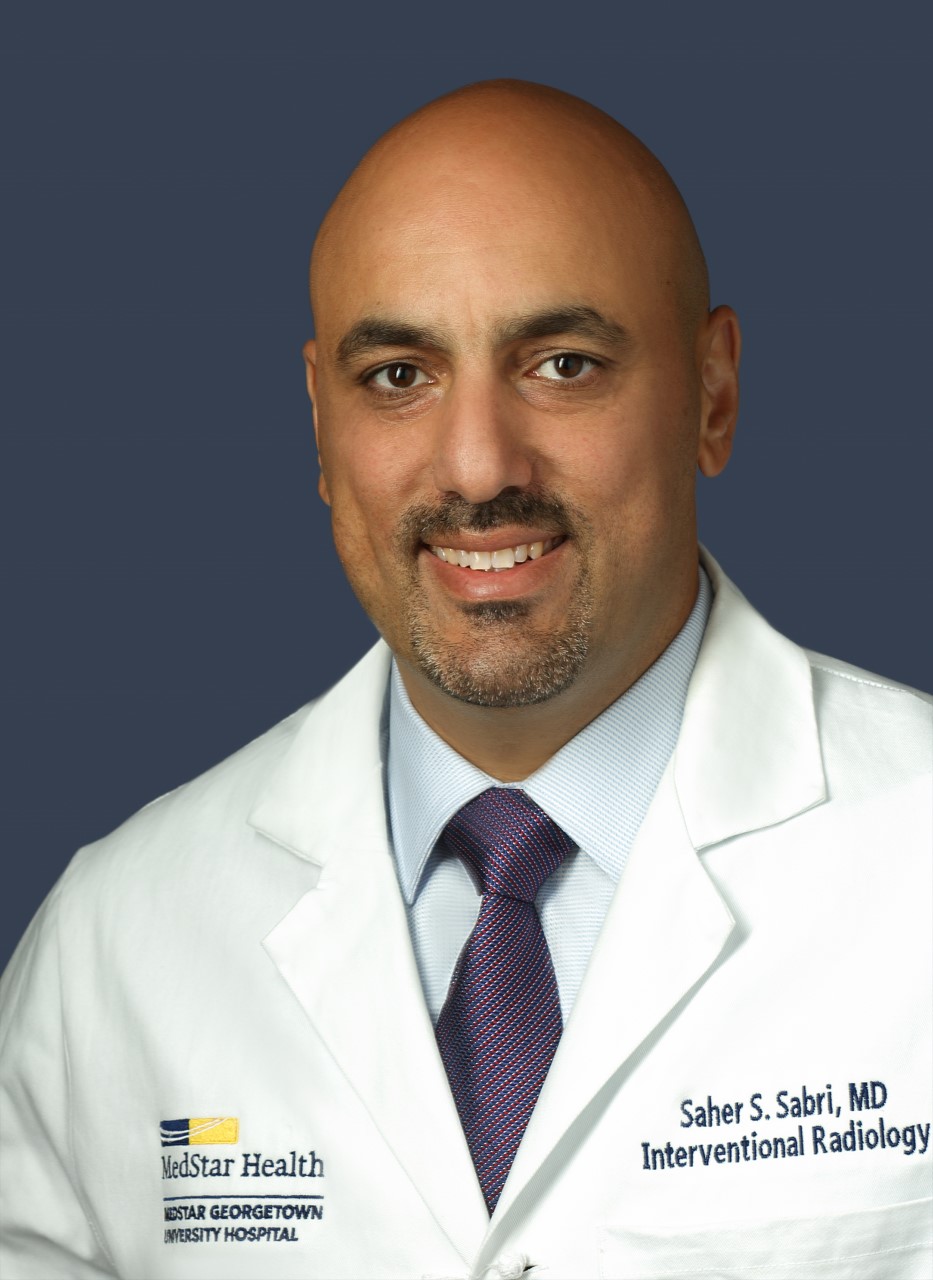
Meet your incoming SIR president
An interview with Saher S. Sabri, MD, FSIR
SIR Annual Scientific Meeting
SIR Leadership and staff
-
SIR Today
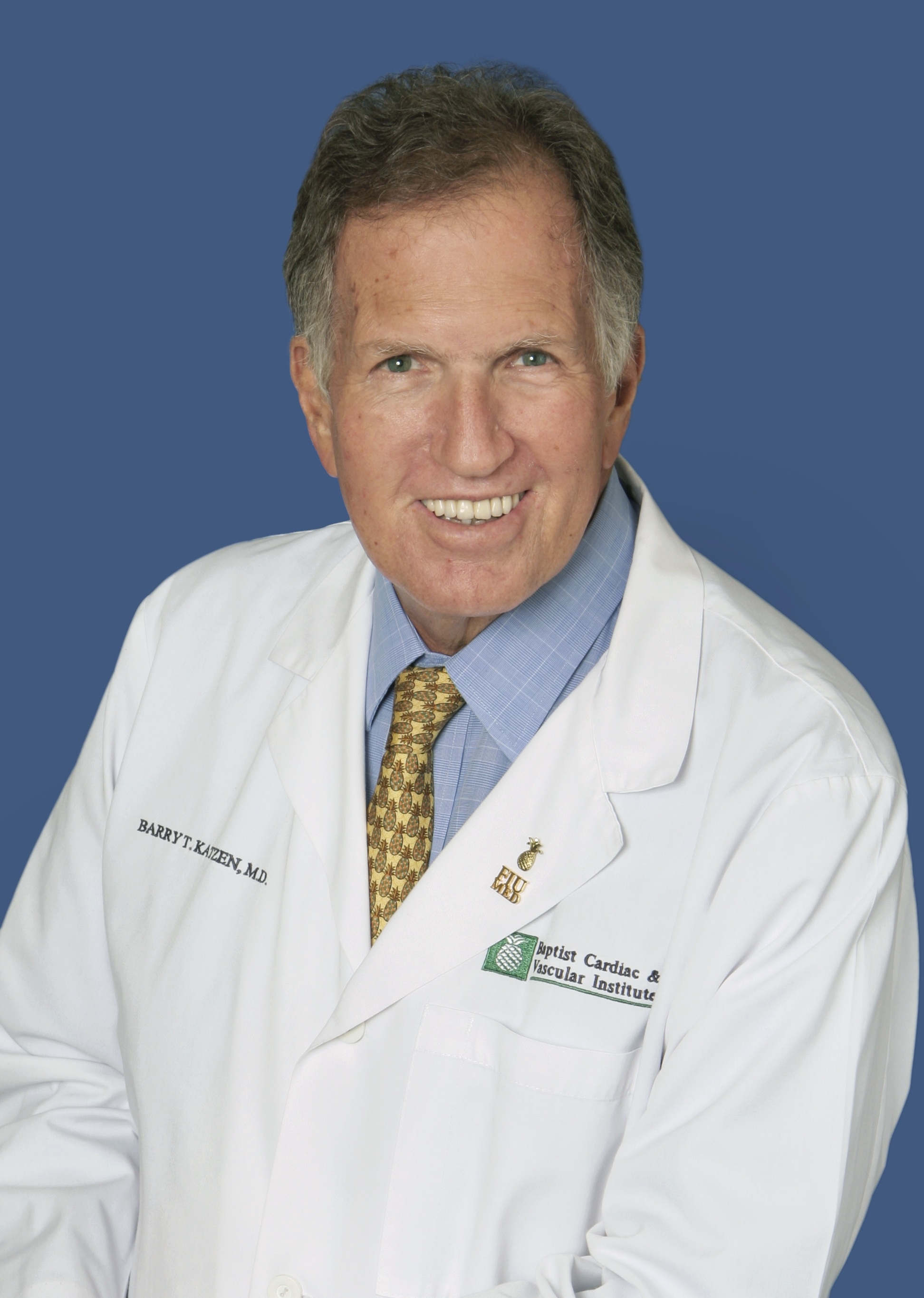
Sustaining innovation
An interview with 2026 Frederick S. Keller, MD, Philanthropy Award winner Barry T. Katzen, MD, FSIR
SIR Annual Scientific Meeting
Foundation
-
SIR Today
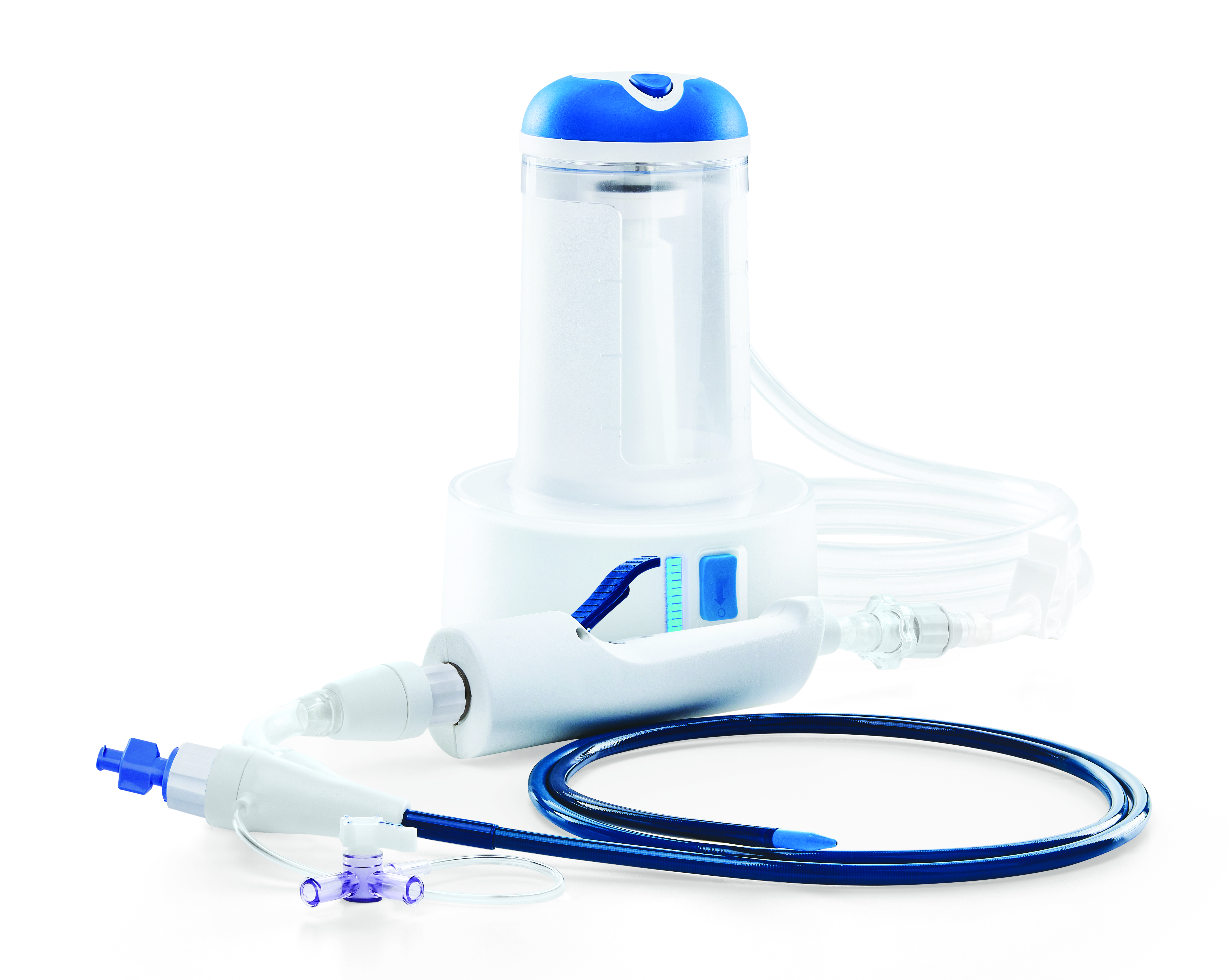
Accessible power
Effective clot removal with Argon’s CLEANER Vac™
SIR Annual Scientific Meeting
Advertorial
-
SIR Today
![]()
Pain relief for seniors with osteoporotic fractures
![]()
Amid ongoing questions regarding prior authorization and value, researchers have shown that percutaneous vertebral augmentation for seniors with osteoporotic fractures are safe and effective at reducing opioid exposure.
SIR Annual Scientific Meeting
Abstracts
-
SIR Today
![]()
Prostate volume and PAE efficacy
![]()
Prostate size should not be a key barrier to effective prostatic artery embolization—especially in oncologic patients—according to a new study.
SIR Annual Scientific Meeting
Abstracts
Mens Health
![]()
Related
![]()
-
SIR Today
Coming full circle
Twenty years ago, Tara Graham, MD, attended her first Women in IR luncheon. She was a young medical student attending SIR 2006 in Toronto and just beginning to connect with the global community of interventional radiologists. At SIR 2026 in Toronto, Dr. Graham attended the Women in IR InspIRed Lecture and Luncheon
-
SIR Today
Meet your incoming SIR president
An interview with Saher S. Sabri, MD, FSIR
SIR Annual Scientific Meeting SIR Leadership and staff -
SIR Today
Sustaining innovation
An interview with 2026 Frederick S. Keller, MD, Philanthropy Award winner Barry T. Katzen, MD, FSIR
SIR Annual Scientific Meeting Foundation -
SIR Today
Accessible power
Effective clot removal with Argon’s CLEANER Vac™
SIR Annual Scientific Meeting Advertorial -
SIR Today
Pain relief for seniors with osteoporotic fractures
Amid ongoing questions regarding prior authorization and value, researchers have shown that percutaneous vertebral augmentation for seniors with osteoporotic fractures are safe and effective at reducing opioid exposure.
SIR Annual Scientific Meeting Abstracts -
SIR Today
Prostate volume and PAE efficacy
Prostate size should not be a key barrier to effective prostatic artery embolization—especially in oncologic patients—according to a new study.
SIR Annual Scientific Meeting Abstracts Mens Health
Related