SIR Annual Scientific Meeting
Women in IR
SIR Today
Coming full circle
Building a career and resilience with Tara Graham, MD


Twenty years ago, Tara Graham, MD, attended her first Women in IR luncheon. She was a young medical student attending SIR 2006 in Toronto and just beginning to connect with the global community of interventional radiologists. At SIR 2026 in Toronto, Dr. Graham attended the Women in IR InspIRed Lecture and Luncheon as the keynote speaker.
For Dr. Graham, the Past President of the Canadian Association for Interventional Radiology (CAIR) and current leader of CAIR’s Women in IR Section, it was a full circle moment—one she wanted to utilize to discuss the future of women in IR, and how they can pursue leadership and develop resilience.
Career building
In her early career, Dr. Graham was very focused on academics. Despite assuming she’d stay in academia for the rest of her career, she found herself sent out into the community, where she fell in love with the work.
She threw herself into building a practice at an institution that had promise and potential, but few service lines and no IR clinic. Dr. Graham dedicated herself to building an IR clinic and became involved in establishing the first one in Canada—something she says is one of her proudest achievements.
In addition, she pursued leadership roles in her association and community organizations, quickly becoming a luminary at CAIR.
“Your association can provide so much opportunity when you need training and education,” she said, sharing that she became involved with CAIR early in her community career. In addition to finding a network, she made innumerable contacts and allies, building a community that helped energize each other.
Although she had initially aimed to stay in academia, Dr. Graham found that many of the opportunities she desired from an academic institution were possible at her community hospital, such as pursuing leadership positions, paper writing and even teaching medical students and residents.
Eventually, ground was broken on a new institution that will become the largest hospital in Canada, with over 500 private beds, and an IR presence in the OR.
These successes came at a cost, however.
“I was hyper productive for 10-11 years and I wasn’t taking care of myself as an individual,” she said. “It led to a point where I thought I would leave. Settle down, change institutions or do something easier.”
As she contemplated this substantial career move, many of Dr. Graham’s colleagues recommended she see a career coach.
Pursuing career coaching
The Canadian IR experience is different to that of Dr. Graham’s American colleagues. Canada has a population of 40 million people (the approximate population of California), and of those 40 million, only 250–300 individuals are IRs. Of that pool, only 25–30 are women.
“There are approximately 0.0000075 IRs per Canadian,” she said. “So, we don’t have time to get burnt out. We don’t have enough people to lose.”
Encouraged by colleagues, Dr. Graham connected with a physician coach who specializes in addressing physician burnout and enhancing resilience, and who helped her navigate where to go next in her career.
Many people think about career changes when they are 7–10 years into practice, she said. However, many people don’t need a career change—they just need to change how they’re interacting with their career.
Dr. Graham came to understand two key lessons: she was doing too much, and her value and life didn’t need to be defined by her work.
Instead of switching careers, she stayed in place and implemented a resilience-based system to help manage her work-life balance better and avoid burnout.
“The goal is to be an individual and an IR, and to be fulfilled by both of them separately,” she said, going on to quote Olympic figure skater Alysa Liu, who said, “I connect with everything, but I’m not attached to anything.”
By detaching from an identity, it gives the individual better resilience to weather the difficulties that come with that identity, Dr. Graham said. Detachment is not about being dismissive or apathetic; it’s about being purposeful with how you connect and not being attached to outcomes and results.
“My practice is not a reflection of me, personally,” she said. “If you tie your career to who you are, it can become incredibly demoralizing. It can impact how resilient we are, and how long we stay in leadership.”
Establishing a system of resilience
Dr. Graham shared several lessons she has learned through her coaching experience, which help her maintain resilience:
- The individual can only do so much; but if you work with your community, you can achieve more.
- You can put in a lot of effort, but there has to be a limit.
- Aim higher than happiness as your life’s work. Help others, and welcome joy if it happens.
- Rather than bulldoze, identify obstacles and go around them.
She also learned to analyze where she is most needed, in order to prioritize her energy.
“I am replaceable at work, but not at home,” she said. “My program wouldn’t be successful if it was entirely relying on me. So, I shouldn’t empty my tank at work and give my family fumes.”
All these lessons are strengthened by practicing ikigai, a Japanese concept meaning “reason for being” which can create a framework for personal and professional fulfillment, Dr. Graham said.
Ikigai has four elements: what you love, what you’re good at, what the world needs and what you can get paid for.
“By utilizing this framework, it allows you to experience life’s richness in your daily roles, and provides a guide when making hard decisions,” Dr. Graham said.
By combining the guidance she received from coaching and staying true to her ikigai framework, Dr. Graham has managed to build a career and a life that allows her to navigate the difficult times, while staying committed to her goals—something she hopes other IRs, especially women, can achieve.
“Everyone is capable of leadership,” she said. “Medicine needs us, and it’s important that we seek out leadership, and stay in those roles. And to do that, we must build tools of resilience.”
Related
-
SIR Today
![]()
Coming full circle
![]()
Twenty years ago, Tara Graham, MD, attended her first Women in IR luncheon. She was a young medical student attending SIR 2006 in Toronto and just beginning to connect with the global community of interventional radiologists. At SIR 2026 in Toronto, Dr. Graham attended the Women in IR InspIRed Lecture and Luncheon
-
SIR Today
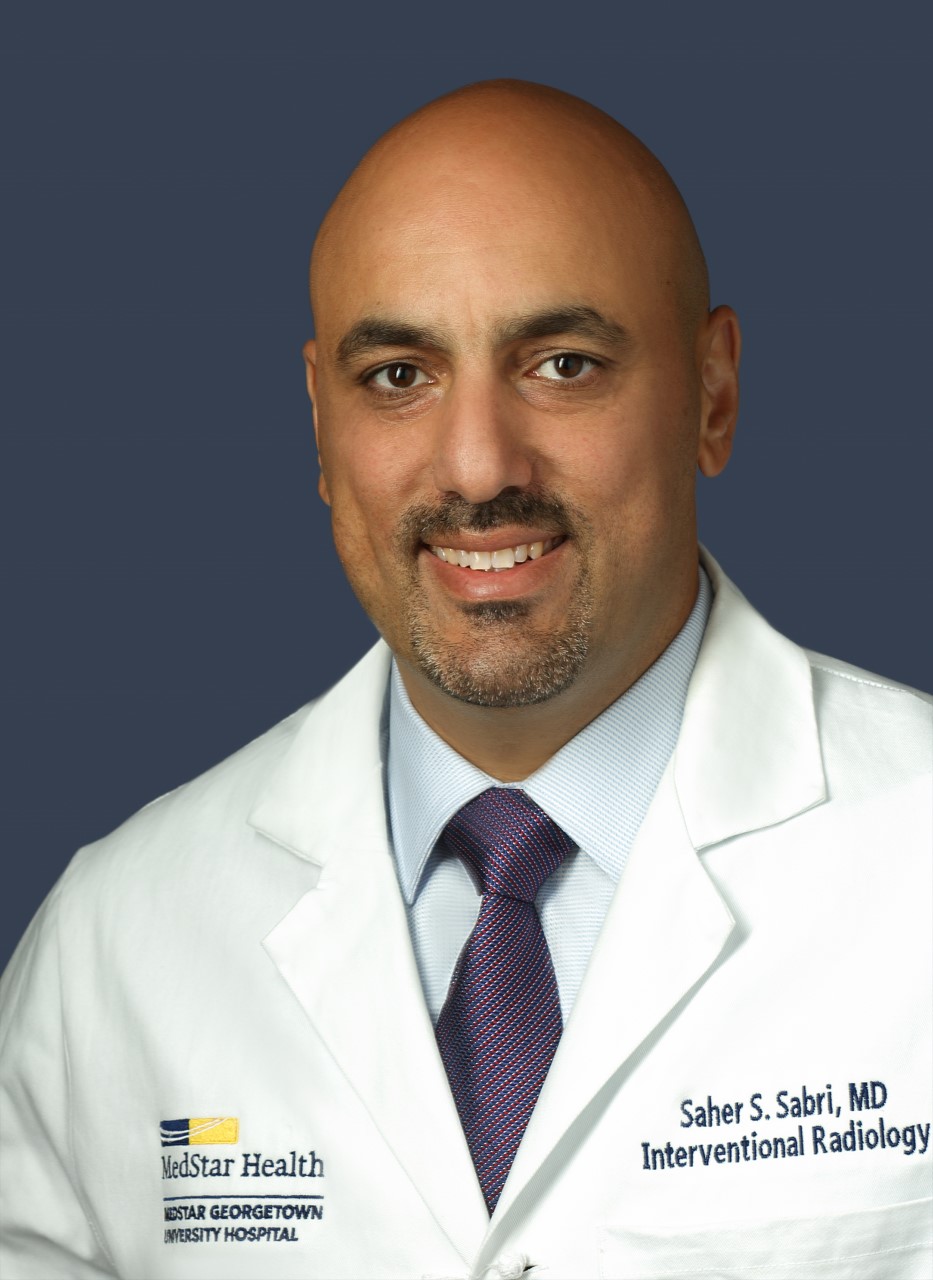
Meet your incoming SIR president
An interview with Saher S. Sabri, MD, FSIR
SIR Annual Scientific Meeting
SIR Leadership and staff
-
SIR Today
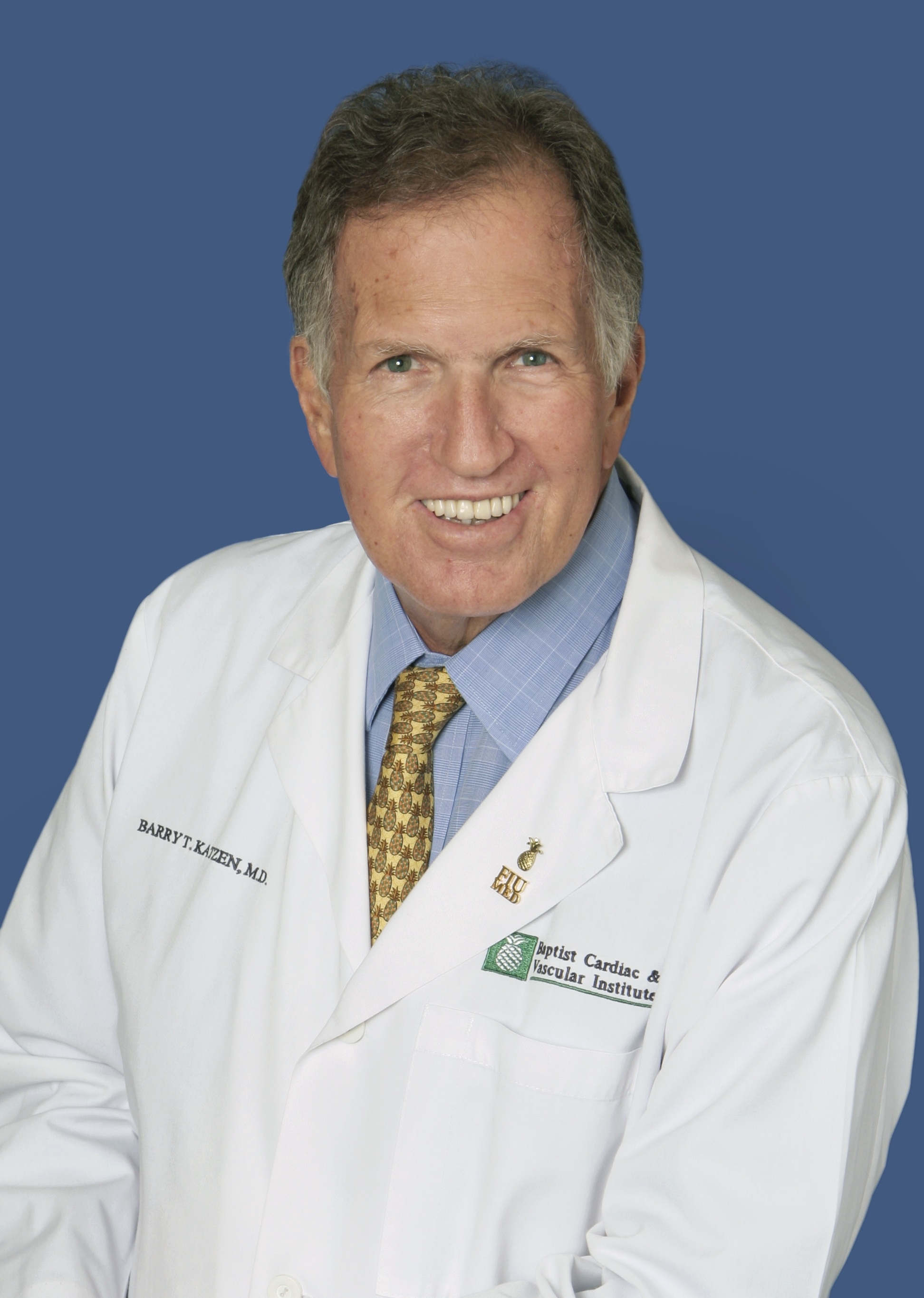
Sustaining innovation
An interview with 2026 Frederick S. Keller, MD, Philanthropy Award winner Barry T. Katzen, MD, FSIR
SIR Annual Scientific Meeting
Foundation
-
SIR Today
![]()
Prostate volume and PAE efficacy
![]()
Prostate size should not be a key barrier to effective prostatic artery embolization—especially in oncologic patients—according to a new study.
SIR Annual Scientific Meeting
Abstracts
Mens Health
-
SIR Today
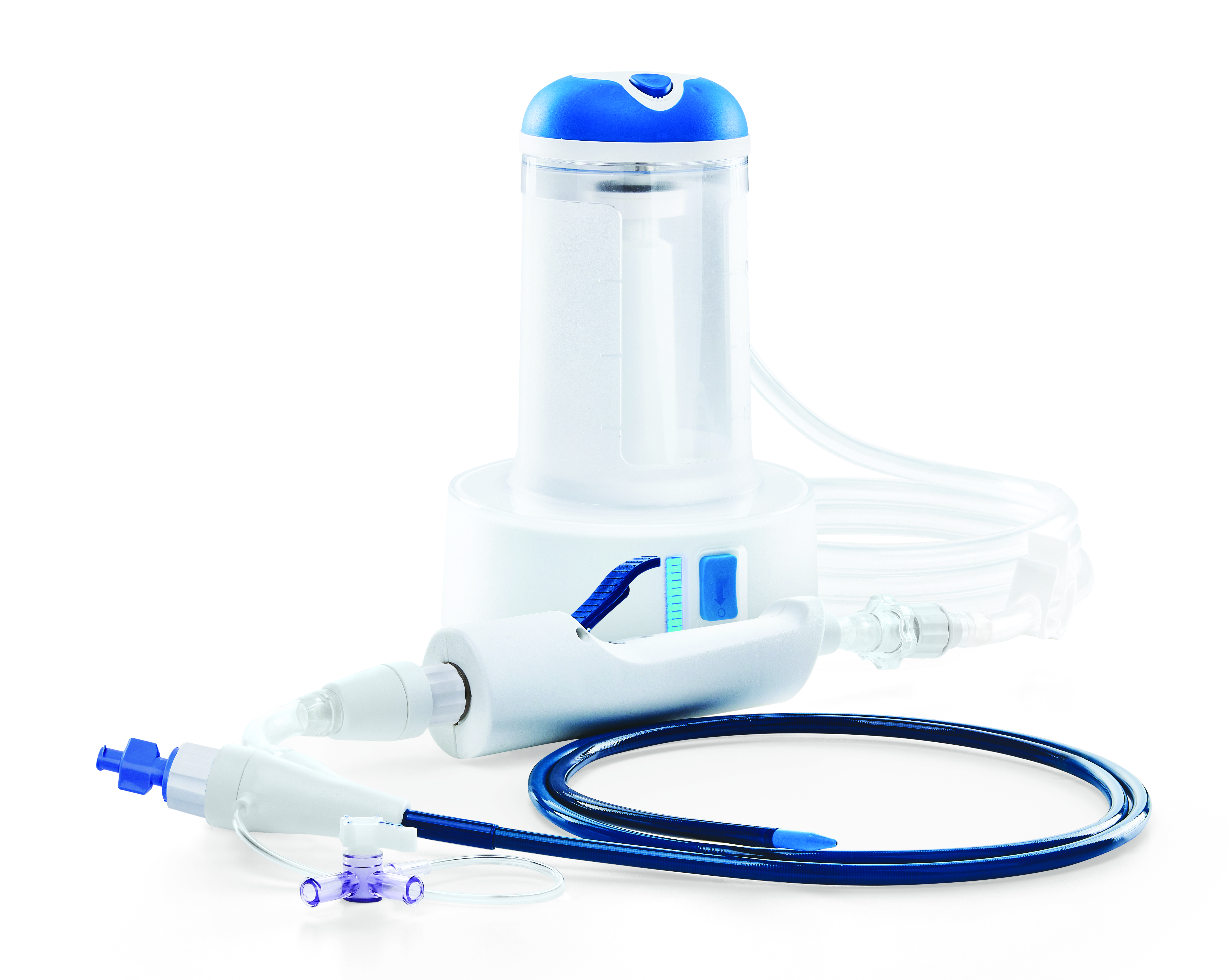
Accessible power
Effective clot removal with Argon’s CLEANER Vac™
SIR Annual Scientific Meeting
Advertorial
-
SIR Today
![]()
Pain relief for seniors with osteoporotic fractures
![]()
Amid ongoing questions regarding prior authorization and value, researchers have shown that percutaneous vertebral augmentation for seniors with osteoporotic fractures are safe and effective at reducing opioid exposure.
SIR Annual Scientific Meeting
Abstracts
![]()
Related
![]()
-
SIR Today
Coming full circle
Twenty years ago, Tara Graham, MD, attended her first Women in IR luncheon. She was a young medical student attending SIR 2006 in Toronto and just beginning to connect with the global community of interventional radiologists. At SIR 2026 in Toronto, Dr. Graham attended the Women in IR InspIRed Lecture and Luncheon
-
SIR Today
Meet your incoming SIR president
An interview with Saher S. Sabri, MD, FSIR
SIR Annual Scientific Meeting SIR Leadership and staff -
SIR Today
Sustaining innovation
An interview with 2026 Frederick S. Keller, MD, Philanthropy Award winner Barry T. Katzen, MD, FSIR
SIR Annual Scientific Meeting Foundation -
SIR Today
Prostate volume and PAE efficacy
Prostate size should not be a key barrier to effective prostatic artery embolization—especially in oncologic patients—according to a new study.
SIR Annual Scientific Meeting Abstracts Mens Health -
SIR Today
Accessible power
Effective clot removal with Argon’s CLEANER Vac™
SIR Annual Scientific Meeting Advertorial -
SIR Today
Pain relief for seniors with osteoporotic fractures
Amid ongoing questions regarding prior authorization and value, researchers have shown that percutaneous vertebral augmentation for seniors with osteoporotic fractures are safe and effective at reducing opioid exposure.
SIR Annual Scientific Meeting Abstracts
Related