SIR Annual Scientific Meeting
Women in IR
SIR Today
A lower mortality, minimally invasive response for traumatic subdural hemorrhage
Presentation: Tuesday, April 14 at 3 p.m. during the Neurointerventional Radiology session

Schavee,J. Panaro, G. Cohen, J. Meshekow
New data indicates that middle meningeal artery embolization (MMAE) as a first-line response for adults with traumatic subdural hemorrhage (tSDH) may be associated with lower mortality, compared with surgical treatment.
“Our goal was to determine whether MMAE, which is increasingly used in chronic subdural hematoma (cSDH), may also represent a clinically meaningful treatment strategy in the traumatic setting rather than a technical alternative to surgery,” said Peter Schavee, presenting author at SIR 2026. “We hoped that with a large sample size, we would be able to elucidate with greater confidence the differences between these treatment strategies.”
cSDH, which is characterized by abnormal accumulation of fluid and blood within the brain, is traditionally treated via surgical removal of the hematoma. However, MMAE has gained substantial momentum in the management of cSDH, supported by growing observational and randomized data—yet there appeared to be a dearth of information regarding its effects in the traumatized patient, according to researchers.
Clinically, tSDH patients often present with significant comorbidities, frailty, or operative risk, raising the question of whether less invasive strategies could improve both short term and long-term outcomes, researchers said. This prominent gap in literature coupled with the rising popularity of MMAE in the treatment for cSDH prompted researchers to investigate the matter on a larger scale.
Researchers performed a retrospective cohort analysis using data from the federated TriNetX electronic health record network, which includes 107 participating health-care organizations. They identified 1,263 eligible patients in each group—those who received MMAE, and those who underwent surgery. After reviewing the data, they concluded that MMAE showed lower mortality than surgery after 30 days.
“We did observe an increase in subsequent cranial procedures, but interestingly there were no differences in hospital readmission rates between treatment strategies,” Schavee said.
There were also reduced rates of acute seizures and chronic seizure disorders in patients treated with MMAE.
“These associations were consistent across multiple time points following robust adjustment for baseline differences,” he said. “Our results support the idea that MMAE may offer more than procedural convenience, it may meaningfully influence patient outcomes and should be considered earlier in the treatment algorithm for selected tSDH patients in comparison to classical surgical management.”
Further research into this subject is planned.
“Our study clearly demonstrates that tSDH can meaningfully be treated with MMAE. However, the power of the study comes with decreased granularity of data,” Schavee said, adding that he and his team hope to conduct future work incorporating pre- and post-radiographic indications combined with clinical status, functional recovery.
“Prospective or randomized comparisons may help clarify causality and optimize treatment pathways,” he said. “In addition, we want to conduct longitudinal analyses examining recurrence and quality-of-life outcomes, such as with more discrete functional neurological recovery status.”
Although observational in nature, Schavee believes the consistency of their findings across multiple clinical outcomes and time points underscores the potential role of MMAE as a paradigm-shifting approach to tSDH management.
“We hope this work contributes to future discussions about expanding minimally invasive options while prioritizing and improving patient-centered outcomes,” he said.

Related
-
SIR Today
![]()
Coming full circle
![]()
Twenty years ago, Tara Graham, MD, attended her first Women in IR luncheon. She was a young medical student attending SIR 2006 in Toronto and just beginning to connect with the global community of interventional radiologists. At SIR 2026 in Toronto, Dr. Graham attended the Women in IR InspIRed Lecture and Luncheon
-
SIR Today
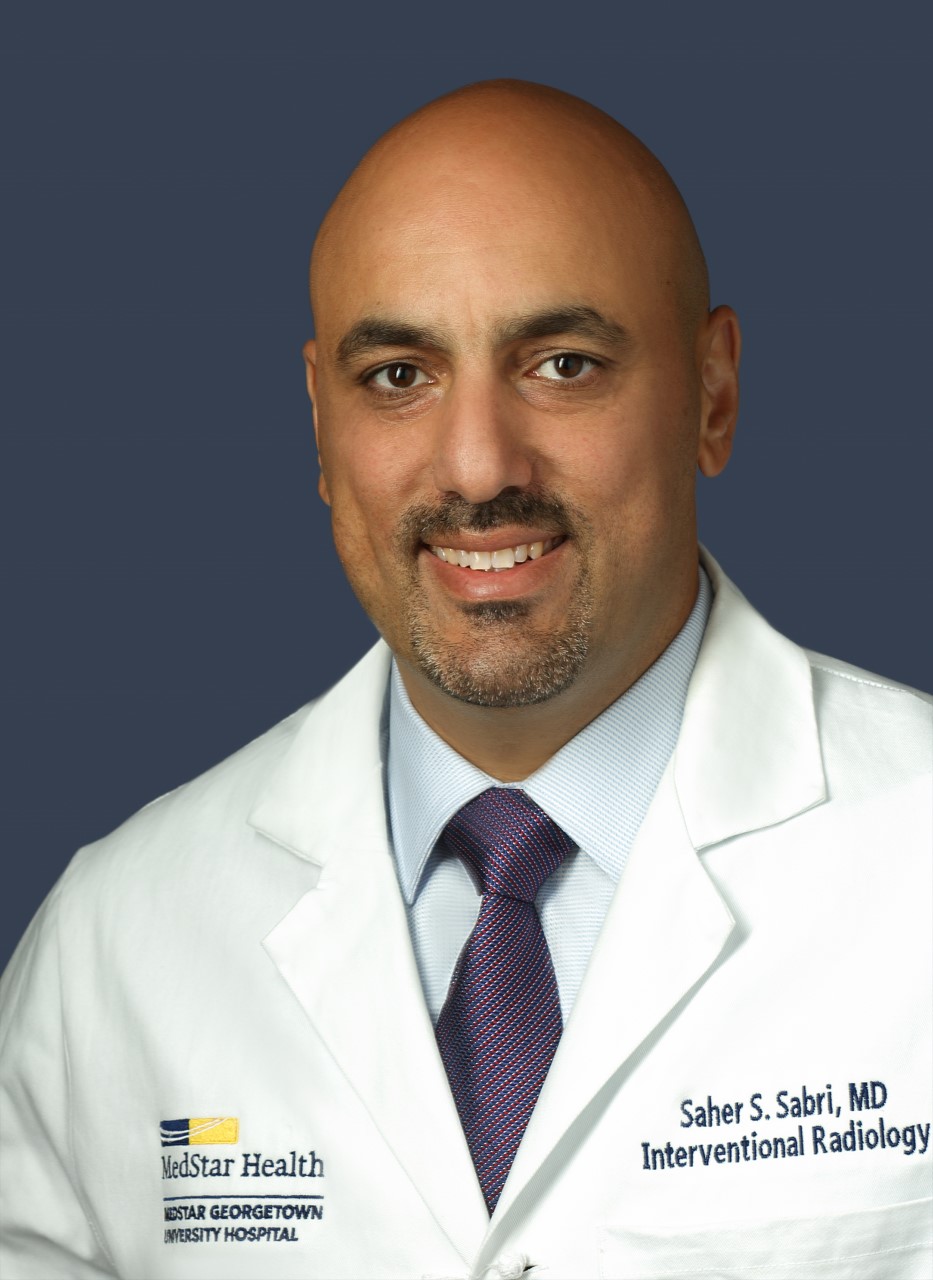
Meet your incoming SIR president
An interview with Saher S. Sabri, MD, FSIR
SIR Annual Scientific Meeting
SIR Leadership and staff
-
SIR Today

Sustaining innovation
An interview with 2026 Frederick S. Keller, MD, Philanthropy Award winner Barry T. Katzen, MD, FSIR
SIR Annual Scientific Meeting
Foundation
-
SIR Today
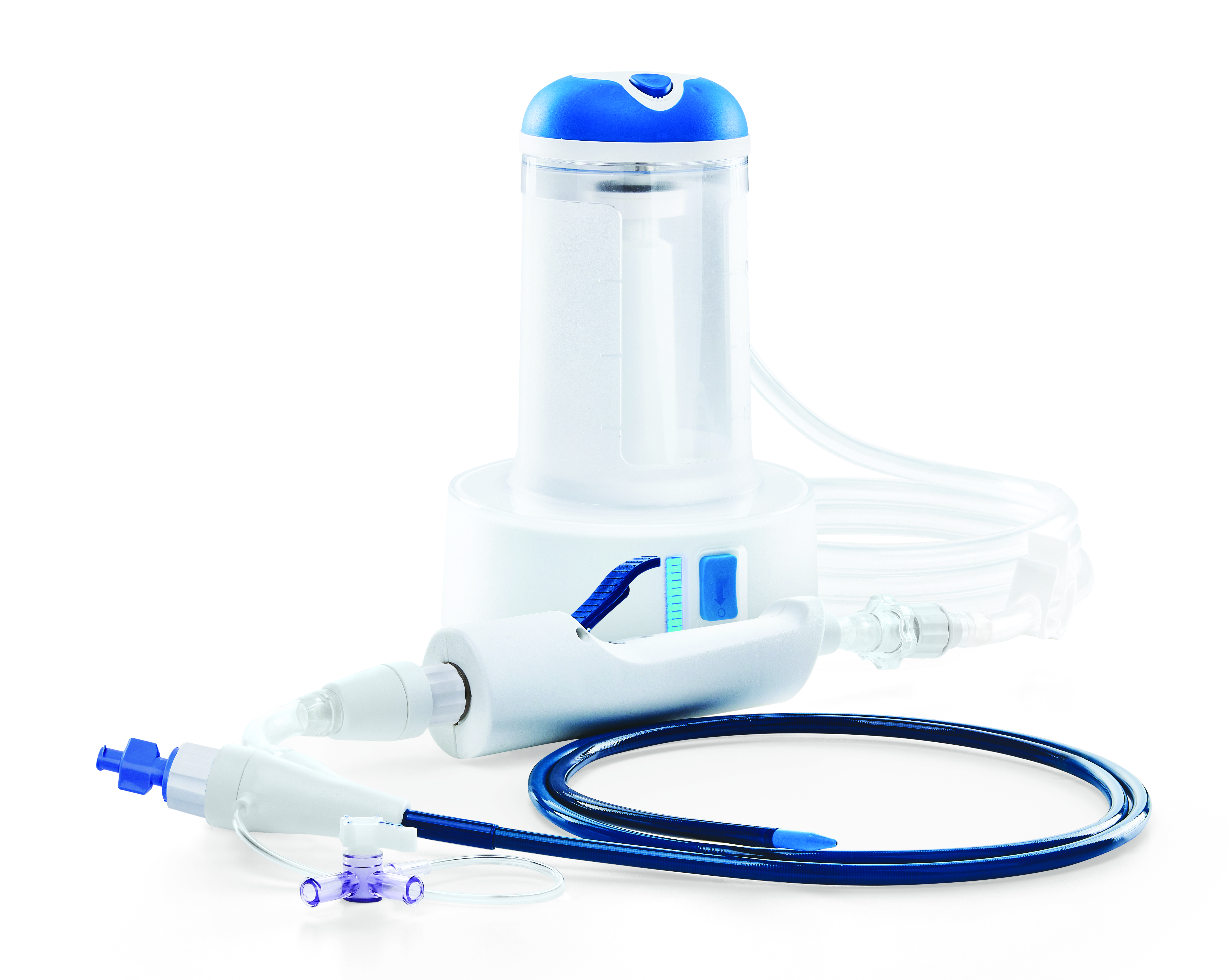
Accessible power
Effective clot removal with Argon’s CLEANER Vac™
SIR Annual Scientific Meeting
Advertorial
-
SIR Today
![]()
Pain relief for seniors with osteoporotic fractures
![]()
Amid ongoing questions regarding prior authorization and value, researchers have shown that percutaneous vertebral augmentation for seniors with osteoporotic fractures are safe and effective at reducing opioid exposure.
SIR Annual Scientific Meeting
Abstracts
-
SIR Today
![]()
Prostate volume and PAE efficacy
![]()
Prostate size should not be a key barrier to effective prostatic artery embolization—especially in oncologic patients—according to a new study.
SIR Annual Scientific Meeting
Abstracts
Mens Health
![]()
Related
![]()
-
SIR Today
Coming full circle
Twenty years ago, Tara Graham, MD, attended her first Women in IR luncheon. She was a young medical student attending SIR 2006 in Toronto and just beginning to connect with the global community of interventional radiologists. At SIR 2026 in Toronto, Dr. Graham attended the Women in IR InspIRed Lecture and Luncheon
-
SIR Today
Meet your incoming SIR president
An interview with Saher S. Sabri, MD, FSIR
SIR Annual Scientific Meeting SIR Leadership and staff -
SIR Today
Sustaining innovation
An interview with 2026 Frederick S. Keller, MD, Philanthropy Award winner Barry T. Katzen, MD, FSIR
SIR Annual Scientific Meeting Foundation -
SIR Today
Accessible power
Effective clot removal with Argon’s CLEANER Vac™
SIR Annual Scientific Meeting Advertorial -
SIR Today
Pain relief for seniors with osteoporotic fractures
Amid ongoing questions regarding prior authorization and value, researchers have shown that percutaneous vertebral augmentation for seniors with osteoporotic fractures are safe and effective at reducing opioid exposure.
SIR Annual Scientific Meeting Abstracts -
SIR Today
Prostate volume and PAE efficacy
Prostate size should not be a key barrier to effective prostatic artery embolization—especially in oncologic patients—according to a new study.
SIR Annual Scientific Meeting Abstracts Mens Health
Related