SIR Annual Scientific Meeting
Women in IR
SIR Today
Percutaneous biliary and malignant biliary obstruction
Presentation: Tuesday, April 14, at 3 p.m. during the General IO session.

M. Henry, J. Matthews, I. Freichels, A. Schroeder, H. Alcantara, K. Christians, A. Kothari, K. Prasad, K. Redifer-Tremblay, B. Key, M. Scheidt, P. Patel, R. Hieb, E. Hohenwalter, S. White, W. Rilling
New data suggests that about half of patients will receive oncologic treatment following placement of a percutaneous transhepatic biliary drain (PTBD) indicated for malignant biliary obstruction.
“Hyperbilirubinemia due to malignant biliary obstruction often prohibits or limits chemotherapy options for patients, because the diminished hepatic clearance of chemotherapy agents increases the risk of hepatotoxicity,” said presenting author Matthew Henry, MD, MS. “IRs are frequently asked to place PTBDs when endoscopic treatment is not technically feasible or fails.”

Although placement of PTBDs has a high technical success rate, most patients will require additional interventions to optimize catheter placement and function. “Between one-third and one-half of patients will experience an adverse event during the management of their drain,” Dr. Henry said. “Many of these patients are in advanced stages of disease and do not benefit from PTBD.”
Researchers at the Medical College of Wisconsin aimed to improve patient selection by assessing patient factors predicting a higher likelihood of receiving oncologic treatment following percutaneous biliary drainage.
“Additionally, we wanted to gain clarity on the clinical course of PTBDs including the number of interventions patients undergo and the rates of internalization,” Dr. Henry said, which will improve the informed consent process.
The team conducted a retrospective single center review of 234 patients from 2018-2024 who had obstructive biliary malignancy that prevented cancer treatment.
According to Dr. Henry, following placement, only half of patients received oncologic treatment—which included chemotherapy, radiation, surgery or liver-directed therapy—and underwent approximately four procedures related to their drain. While pre-procedure bilirubin was associated with receiving treatment, the location of obstruction was not.
Placement and exchange of PTBDs is a common procedure performed by IRs—which is why it is crucial to understand the clinical background and considerations for each patient before proceeding with percutaneous drainage of malignant biliary obstruction.
“Having informed conversations with both clinicians and patients will improve patient selection, outcomes and quality of life,” said Dr. Henry.
Researchers plan to conduct further analysis, investigating the role of metastatic versus primary malignancy and prior treatment course on the clinical outcomes following PTBD placement, as they believe these variables are important considerations in the clinical course of this patient population.
Related
-
SIR Today
![]()
Coming full circle
![]()
Twenty years ago, Tara Graham, MD, attended her first Women in IR luncheon. She was a young medical student attending SIR 2006 in Toronto and just beginning to connect with the global community of interventional radiologists. At SIR 2026 in Toronto, Dr. Graham attended the Women in IR InspIRed Lecture and Luncheon
-
SIR Today

Meet your incoming SIR president
An interview with Saher S. Sabri, MD, FSIR
SIR Annual Scientific Meeting
SIR Leadership and staff
-
SIR Today

Sustaining innovation
An interview with 2026 Frederick S. Keller, MD, Philanthropy Award winner Barry T. Katzen, MD, FSIR
SIR Annual Scientific Meeting
Foundation
-
SIR Today
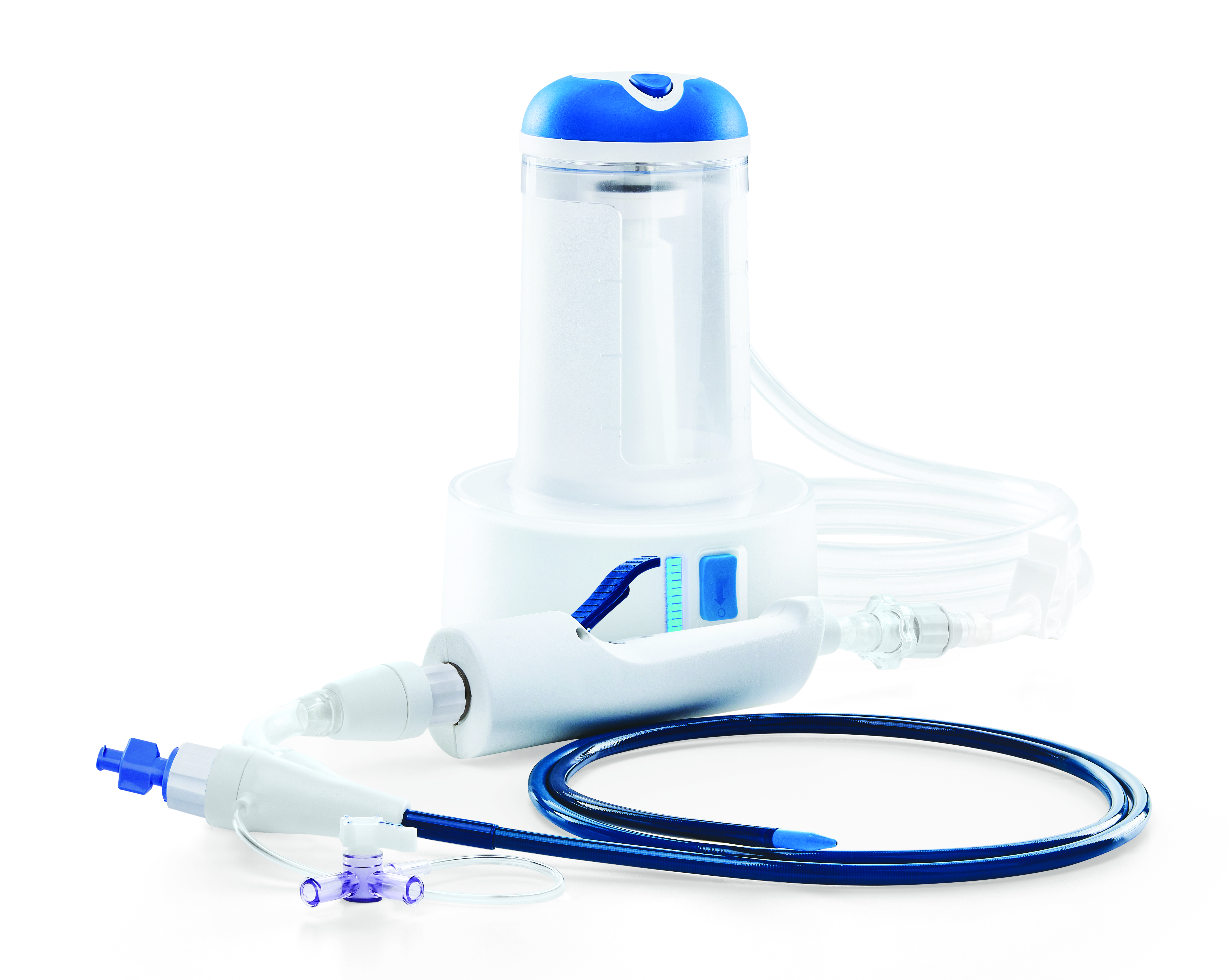
Accessible power
Effective clot removal with Argon’s CLEANER Vac™
SIR Annual Scientific Meeting
Advertorial
-
SIR Today
![]()
Pain relief for seniors with osteoporotic fractures
![]()
Amid ongoing questions regarding prior authorization and value, researchers have shown that percutaneous vertebral augmentation for seniors with osteoporotic fractures are safe and effective at reducing opioid exposure.
SIR Annual Scientific Meeting
Abstracts
-
SIR Today
![]()
Prostate volume and PAE efficacy
![]()
Prostate size should not be a key barrier to effective prostatic artery embolization—especially in oncologic patients—according to a new study.
SIR Annual Scientific Meeting
Abstracts
Mens Health
![]()
Related
![]()
-
SIR Today
Coming full circle
Twenty years ago, Tara Graham, MD, attended her first Women in IR luncheon. She was a young medical student attending SIR 2006 in Toronto and just beginning to connect with the global community of interventional radiologists. At SIR 2026 in Toronto, Dr. Graham attended the Women in IR InspIRed Lecture and Luncheon
-
SIR Today
Meet your incoming SIR president
An interview with Saher S. Sabri, MD, FSIR
SIR Annual Scientific Meeting SIR Leadership and staff -
SIR Today
Sustaining innovation
An interview with 2026 Frederick S. Keller, MD, Philanthropy Award winner Barry T. Katzen, MD, FSIR
SIR Annual Scientific Meeting Foundation -
SIR Today
Accessible power
Effective clot removal with Argon’s CLEANER Vac™
SIR Annual Scientific Meeting Advertorial -
SIR Today
Pain relief for seniors with osteoporotic fractures
Amid ongoing questions regarding prior authorization and value, researchers have shown that percutaneous vertebral augmentation for seniors with osteoporotic fractures are safe and effective at reducing opioid exposure.
SIR Annual Scientific Meeting Abstracts -
SIR Today
Prostate volume and PAE efficacy
Prostate size should not be a key barrier to effective prostatic artery embolization—especially in oncologic patients—according to a new study.
SIR Annual Scientific Meeting Abstracts Mens Health
Related